The Sandwich Hour: Wine for Ploughman's, Toasties and the Chip Butty

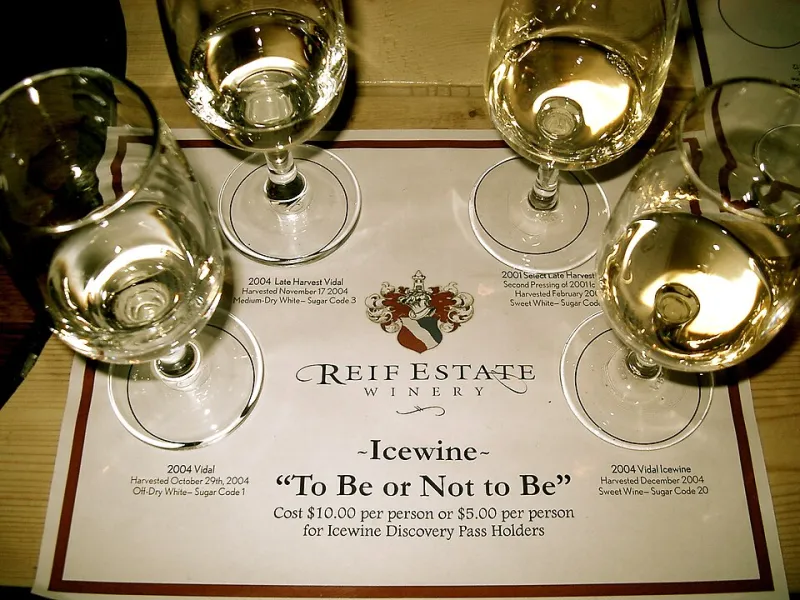
Photo: Rod Waddington from Kergunyah, Australia, CC BY-SA 2.0, via Wikimedia Commons
There is a particular kind of confidence that comes from a wine list full of tasting menus and small plates, and a particular kind of honesty that comes from ordering a cheese toastie with a glass of white. We're more interested in the second one.
Sandwiches are, quietly, the best pairing test going. They're salty, they're fatty, they come with pickle and vinegar and crusts, and nobody is performing while they eat one. Get the wine right here and you've learned something useful for the rest of your life.
The Only Rule Worth Learning
Fat and salt want acid and bubbles. Anything sweet-sour — pickle, chutney, brown sauce — wants something with a bit of body but no sugar of its own. And if in doubt, colder and crisper beats bigger and posher.
That's it. Everything below is that rule wearing different coats.
The Ploughman's: Where Acid Earns Its Keep
A proper ploughman's is a balancing act: mature cheddar, a spoon of sweet-sharp pickle, ham if you're lucky, an apple, a slab of buttered granary. It's a plate of fat and salt with a vinegary interruption in the middle.
By the glass: an off-dry Riesling is the quiet hero here — a touch of sweetness handles the pickle, and the acidity slices through the cheddar. Failing that, a Chenin Blanc from the Loire, or a dry-ish English white. If you want red, go light: a chilled Beaujolais or a young Cabernet Franc, nothing with oak and nothing with muscle.
From the shelf: look for a Loire Sauvignon in the ten-to-fourteen bracket, or a Portuguese white with a bit of texture. Both will out-perform their price on a plate of cheese.
One warning: a big oaky white with mature cheddar turns metallic. Save the showy bottle for later.
The Cheese Toastie: Bubbles Do the Work
The toastie is a fat delivery system with a crunch. Whether it's cheddar and pickle, or something fancier with gruyère and mustard, the job of the wine is to reset your palate between mouthfuls.
By the glass: anything sparkling. A traditional-method English sparkling, a cava at the value end, or a Crémant if the bar has one. The fizz scrubs; the acidity cuts. If you've gone full ham-and-cheese, a light red with a chill on it will also do nicely — think Beaujolais-Villages or a Frappato.
From the shelf: a bottle of dry cava is one of the most useful things in the fridge and the least fussy about being drunk with a sandwich on a Tuesday.
The Fish Finger Sandwich: Crisp White, Obviously — But Which?
Brown bread, tartare sauce, a squeeze of lemon, an unapologetic number of fish fingers. The breading brings fat, the tartare brings acid and capers, and the whole thing wants something lean and saline rather than round and buttery.
By the glass: Picpoul de Pinet, Muscadet, Albariño, or a dry Riesling from the cheaper end of a good list. All have the same useful quality: they taste of the sea, and they don't crowd the food.
From the shelf: Picpoul is the reliable buy, though a Muscadet sur lie gives you more for less money if your shop has one. Don't reach for an oaked white. It's the fish finger's one genuine enemy.
The Chip Butty: Salt, Vinegar, Butter, Timing
This is the sandwich people are shy about ordering and delighted to drink with. White sliced or a soft bap, thick chips, salt, malt vinegar, butter soaking through the bottom. Nine hundred calories of pure joy at eleven o'clock at night.
By the glass: bubbles again, and low alcohol if the hour is late. A cava, a Prosecco at the drier end, or — a genuinely good shout — a dry fino or manzanilla sherry, which has the salt-and-vinegar affinity nobody expects.
From the shelf: a half bottle of something dry and sparkling. It's the right amount for two people and a chip butty, and the decision is made for you.
If the chips are the last thing between you and a taxi, a chilled Gamay or a light red is a perfectly respectable answer. Cold red with a chip butty is not a crime; it's just a choice.
Ordering at the Bar vs Grabbing From the Shelf
Two different skills, both worth having.
At the bar, ask for a taste before committing. A good wine bar expects it, and a chalkboard is a menu, not a test. Ask what's open and cold. If the answer is a wine you've never heard of, that's a good sign rather than a bad one.
From the shelf, keep a trio at home and stop thinking about it: something crisp and saline, something light and red, and something with bubbles. Under fifteen pounds each. They'll see you through a ploughman's, a toastie, a bag of crisps and a Sunday where nobody wants to cook.
Three Bottles to Keep In
A dry Riesling, an inexpensive Muscadet or Picpoul, and a bottle of dry sparkling. That's the sandwich shelf, and it's a better-stocked wine collection than most.
The great thing about matching wine to a sandwich is that it takes the ceremony out of it. There's no right answer to impress anyone with, no jargon to get right, no restaurant to review. There's bread, and there's a glass, and — if you've got it right — the sense that the two were made for each other all along.