Dark Nights, Bright Bottles: What to Drink Between the Fireworks and the Turkey
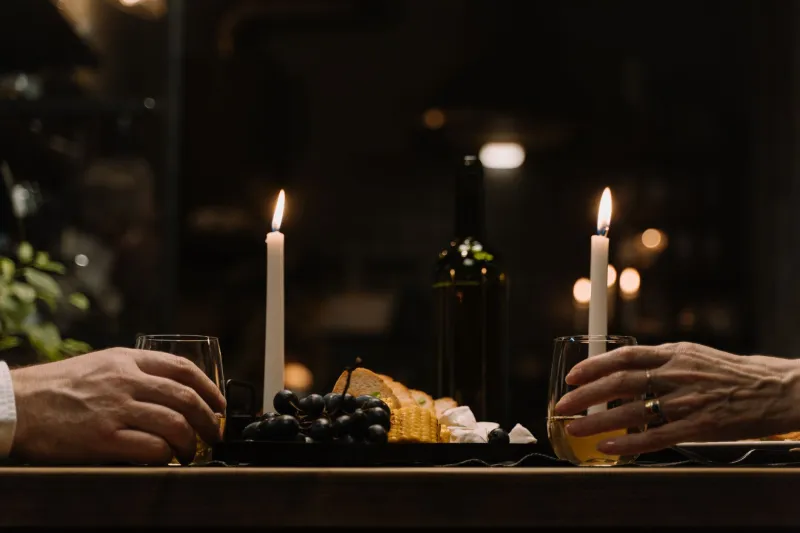
There is a particular kind of quiet in mid-November. The fireworks have fizzled out, the Christmas adverts are already doing their thing, and the actual Christmas table is still weeks away. It is a stretch of the year that gets overlooked in wine writing, which tends to jump from Bonfire Night to the big day with barely a pause. At Wine Room, though, it is one of our favourite windows. People are not yet buying for the main event. They are buying for tonight.
That changes the brief. You want bottles that can handle a solo glass on a Tuesday and a sudden text saying 'we're nearby'. You want warmth without weight, brightness without sharpness, and a couple of things that make an ordinary evening feel slightly more deliberate. Here are six bottles for the long stretch between the fireworks and the turkey, with serving notes and pairings for each.
Why This Window Deserves Its Own List
The weeks after Bonfire Night are dark but not yet festive. The weather is doing its best to push you towards something comforting, while the shops are doing their best to push you towards mince pies. In wine terms, this is a sweet spot. It is too early to open the serious Christmas bottles, and too late to pretend it is still autumn. What you need is versatility.
This is also a good time to shop because it is quieter. The bar has room to talk you through a bottle. The shelf is not yet picked over. You can buy two bottles of something you like and still have change from a twenty, if you choose carefully. The six below are not a rigid shopping list. They are a set of options that cover a quiet Tuesday, an impromptu Saturday, and the first of the Christmas dos.
The Six Bottles
1. A white with a jumper on. Look for a white Rhône, a Viognier, or a Chenin Blanc with a few years of bottle age. You want something with texture and a bit of weight, but not so oaky that it feels like a mouthful of furniture. Think apricot, honey, toasted nuts and a soft finish. Serve it cellar-cool rather than fridge-cold, around 10 to 12 degrees. Take it out of the fridge twenty minutes before you pour. Pair it with baked camembert, a squash risotto, or leftover roast chicken. On a quiet Tuesday, one glass with dinner is enough; stopper the rest and it will be even better tomorrow. For an impromptu gathering, open it first with a bowl of olives and let it warm up in the glass.
2. The bright white that isn't sharp. A dry Riesling from Alsace or a Chenin from the Loire with a little age. This is the bottle for people who say they don't like white wine. It has acidity, but it also has quince, lime zest and a honeyed edge. It is refreshing without being austere. Serve it properly chilled, but not icy. Pair it with fish pie, a Thai takeaway, or salt-and-pepper squid. It is also the best bottle on this list for a midweek supper where you are not sure what you are cooking. If the plan falls apart and you end up with toast, it will still work.
3. A light red for the fridge door. Beaujolais-Villages or a cru such as Morgon. Bright, crunchy, juicy, and all the better for twenty minutes in the fridge. Serve it at around 13 or 14 degrees. Pair it with sausage and lentils, mushroom pasta, or a bowl of chips on a cold night. This is the bottle that proves light red is not just a summer thing. On a quiet Tuesday, chill it and pour a small glass while you cook. For a gathering, put it on the table and let people help themselves. It does not need a decanter or a speech.
4. The red that isn't a big red. Frappato from Sicily or a light Blaufränkisch. You want red fruit, a little pepper, and tannins that do not grip. It is savoury enough to feel grown-up, but light enough that you can drink it without thinking too hard. Serve it slightly cool. Pair it with roast chicken, aubergine parmigiana, or a plate of cured meat. This is the bridge between the light red and something with a bit more substance. It is also the bottle that disappears fastest when people are standing around the kitchen.
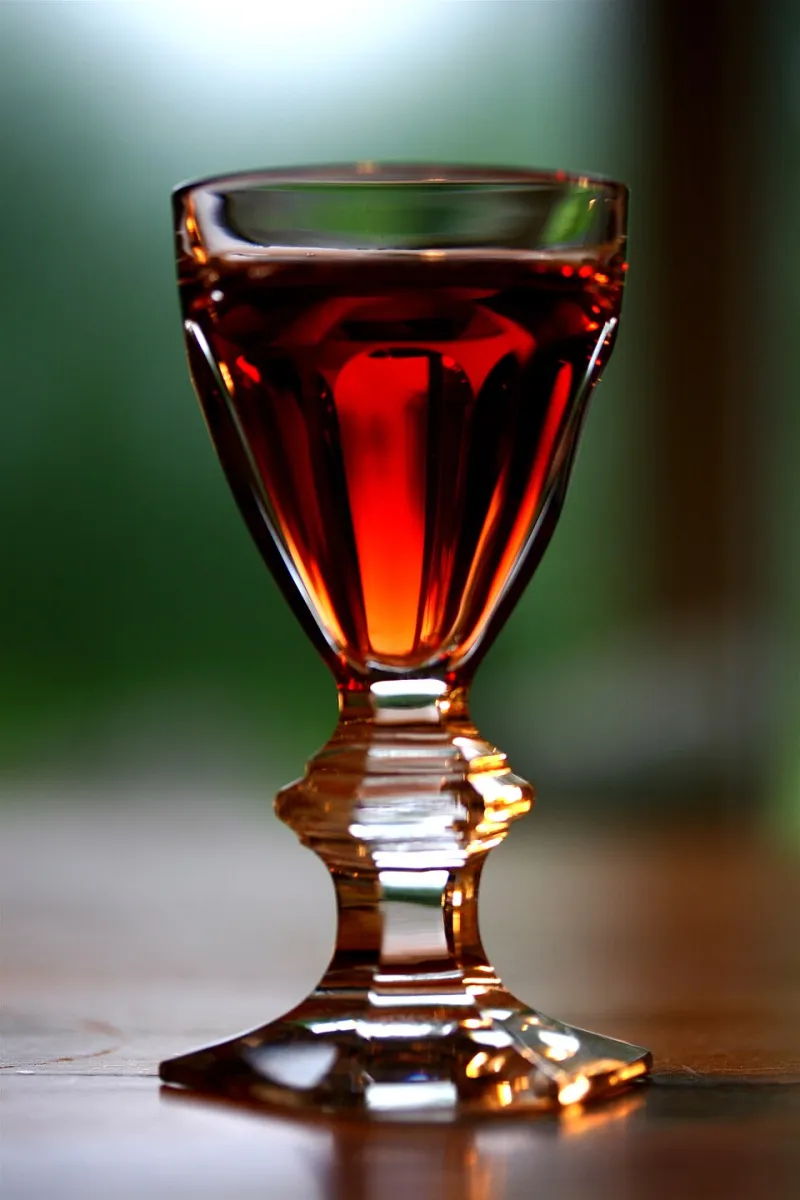
5. A fortified nightcap. A ten-year-old tawny port or a medium-dry Madeira. Warming, nutty, caramel-edged, and genuinely useful to have in the cupboard. Serve it slightly chilled, around 14 degrees, in a small glass. Pair it with walnuts, blue cheese, dark chocolate, or nothing at all. On a quiet Tuesday, it is a small glass instead of pudding. At an impromptu gathering, it is the thing you put on the table after the reds, when the evening needs a full stop. It will keep for weeks once opened, which is more than you can say for most bottles.
6. Fizz for no reason. English sparkling wine or a Crémant de Loire. This is not the bottle you save for Christmas Day. It is the bottle you open because a friend has turned up, because it is Thursday, or because the early Christmas dos have started and you need something that says celebration without shouting. Serve it well chilled, but not so cold that you cannot taste it. Pair it with salted almonds, oysters if you are feeling fancy, or fish and chips. Open it first, then worry about the rest.
Quiet Tuesday Versus Impromptu Saturday
The difference between a quiet Tuesday and an impromptu gathering is not the wine. It is the number of glasses you put out. On a Tuesday, choose one bottle from the list and treat it as a single glass with dinner. The white with a jumper and the light red are the best candidates. Use a stopper, put the bottle back in the fridge, and do not open the fizz unless someone is there to share it.
For an impromptu gathering, work in a loose order. Start with the fizz, move to the whites and light reds, and finish with the tawny. Have one bottle of each in the rack or the fridge door and you can handle almost anything. Do not fuss over glassware. Ordinary glasses are fine. Do not serve the whites too cold or the reds too warm. If you remember nothing else, remember that a light red is better slightly chilled and a tawny is better slightly chilled too.
A Note on Buying
You do not need to buy all six. Two bottles of the light red, one of the white with a jumper, and one fortified option will see you through most of what this stretch of the year throws at you. If you are shopping in the shop, ask what is open at the bar. If you are at the bar, try a glass before you commit to a bottle. The in-between season is a good time to ask questions because nobody is in a rush.
The stretch between Bonfire Night and Christmas is not a waiting room. It is the bit where wine feels most like itself: warming, sociable, and ordinary in the best way. Open something good on a Tuesday. The mince pies can wait.