Swirl First, Ask Later: A Beginner’s Night at a UK Wine Tasting
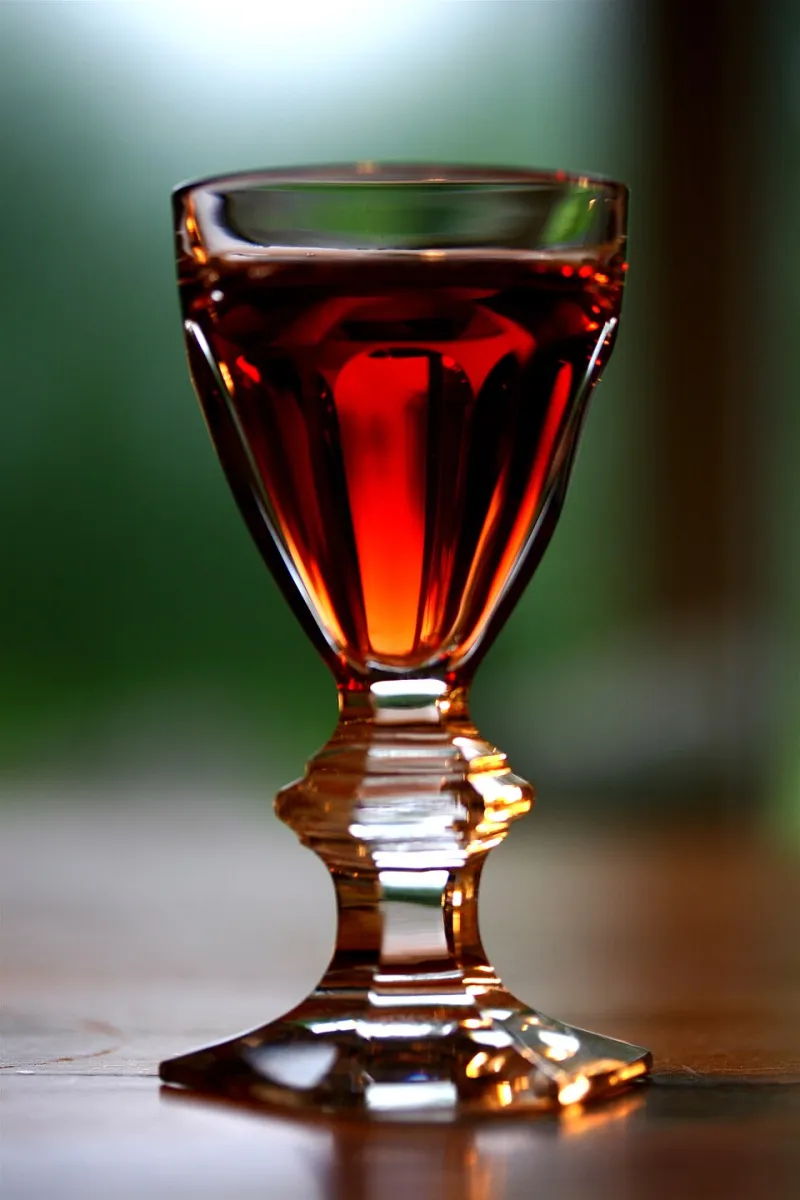
Photo: liz west from Boxborough, MA, CC BY 2.0, via Wikimedia Commons
There is a particular look that crosses a person’s face when they walk into their first wine tasting. It is part curiosity, part fear that someone will hand them a glass and ask them to identify the vineyard, the vintage and the winemaker’s star sign. Good news: that is not what happens. A wine bar or shop tasting is a social event with a bit of structure, not an interrogation. You are there to drink, chat and learn a few things by accident.
What you’ve actually signed up for
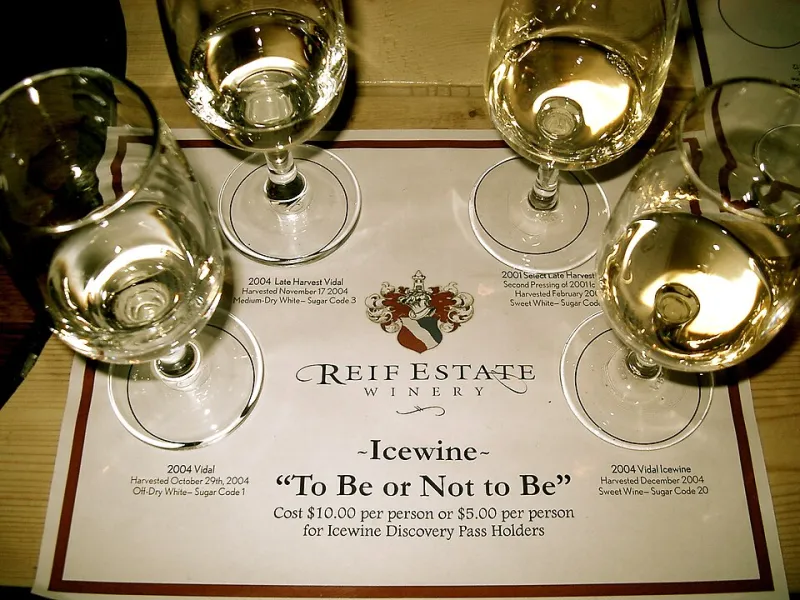
Most UK wine bar tastings follow a familiar shape. You arrive, you get a glass, you sit or stand near a table of open bottles, and someone who knows more than you do talks for a few minutes about what you are about to try. Then you taste. Then they talk again. There may be six wines, there may be eight, and there may be a theme — Beaujolais, orange wine, things that go with crisps, whatever the bar has decided to champion this month.
The setting is usually less formal than people expect. It might be a back room with a projector, a railway arch with the door open, or a shop counter cleared of boxes for the evening. You will probably be given a tasting sheet and a pen. You do not have to fill it in like a tax return. A couple of words per wine is plenty: ‘smells like strawberries’, ‘too sharp for me’, ‘would drink again’.
The arrival ritual
Don’t overthink the first ten minutes. Arrive on time, not early enough to hover awkwardly by the door. Take the glass you are offered. If there is a choice between a tasting pour and a larger pour, remember that you can always go back for more of the one you like. The aim is to keep your palate fresh, not to finish the evening in a heap of empty bottles and regret.
If you are nervous, ask the person behind the bar a simple practical question: where should I sit, or is there water anywhere. Nobody will judge you for that. They will judge you slightly if you announce loudly that you only drink Burgundy, especially if you then pronounce it wrong. Keep it simple and friendly. It is a wine bar, not a members’ club.
How to taste without the theatre
You do not need to slurp like a drain or stare moodily into the middle distance. A decent tasting routine is almost disappointingly straightforward. Look at the wine. Give the glass a gentle swirl — on the table is fine, in the air is fine, whatever keeps it in the glass. Smell it. Take a small sip. Hold it for a second. Swallow or spit. That is it.
The swirling is not a party trick. It wakes the wine up and gives you more to smell. The slurping is optional; it mixes air into the wine and makes aromas easier to catch, but you can do a quieter version and still get the idea. If the tasting host says ‘what are you getting?’, you are allowed to say ‘plums’ even if you are not entirely sure. You are also allowed to say ‘not much yet’. Palates are not a competitive sport.
Spitting: the practical bit
This is the bit that makes first-timers freeze. The spittoon — or dump bucket, if we are being less fancy — is not a challenge. It is a bin for wine you do not want to swallow. That is all. You are not being tested on distance or accuracy. You are being sensible.
If you want to spit, do it discreetly and close to the bucket. Lean in, keep it tidy, and do not treat it like a competitive sport. If you would rather swallow, that is fine too, but pace yourself. Tasting measures are small for a reason, and the person pouring is usually generous enough that you can revisit a favourite. Water is your friend. Bread or crackers are your friend. The spittoon is just there so you do not have to finish every single drop to be polite.
Questions worth asking
A good tasting host would much rather you ask something than nod along in silence. Keep it practical and curious. ‘What should I look for in this one?’ is a great opener. ‘Why is this so different from the last one?’ is another. ‘Is this the sort of thing I should drink now or keep?’ is useful if you are thinking about buying a bottle. ‘What would you have with this at home?’ will usually get you a better answer than any technical question about soil types.
You can also ask the straightforward ones. ‘How dry is this, really?’ ‘Is it meant to be served cold?’ ‘Why does it smell like that?’ There is no shame in any of it. The only question worth skipping is the one designed to make you sound clever. Nobody is impressed by a person who asks about malolactic fermentation and then pulls a face at a perfectly nice glass of Cabernet Franc.
The social side
Here is the thing the tasting notes do not tell you: the best part is usually the chat. You are in a room with people who have also decided to spend a Tuesday evening sniffing wine instead of watching television. Talk to them. Compare notes. Laugh at the one that tastes like a swimming pool. Discover that the person next to you has brought a notebook and is taking it far more seriously than you are, and that the person on your other side is only there because their partner booked it. Both are valid.
If you find a wine you love, say so. If you find one you hate, say that too, but keep it kind. ‘Not for me’ is a complete sentence. You do not need to deliver a verdict like a disappointed headmaster. The whole point of a tasting is to find out what you like, and you can only do that by trying things that turn out to be wrong for you.
Leaving well
Before you go, take a photo of any bottle you liked. Ask the shop whether they have it on the shelf. If you are buying, buy the one you actually enjoyed rather than the one you think you should have enjoyed. And if you are travelling home by train, remember that tasting measures add up faster than you think. Water, bread, and a sensible exit are all part of the experience.
Your first tasting does not need to turn you into an expert. It just needs to be a decent night out with a few good glasses and one or two discoveries. Swirl first, ask later, and leave the spittoon to do its job. It is not a challenge. It is just a bucket.