The Small Bag Theory: Packing for a Wine Tasting Without Looking Like You’ve Moved In
There is a particular moment at a UK wine tasting when you look around and realise everyone has brought a different version of the same bag. One person has a neat canvas tote with a notebook and a water bottle. Another is rummaging through a rucksack the size of a small holdall, producing crackers, a spare jumper and what appears to be a cheese board. The room is warm, the windows are steamed up, and the first white is already losing its chill. This is not a test. It is a tasting, and the best kit is the kit that lets you taste well without turning the table into a picnic.
So think small bag theory: pack for the hour or two in front of you, not for a weekend away. A little preparation is polite, practical and quietly confidence-building. It also means you spend less time wrestling with zips and more time paying attention to the glass.
Start with the bag, not the bottle
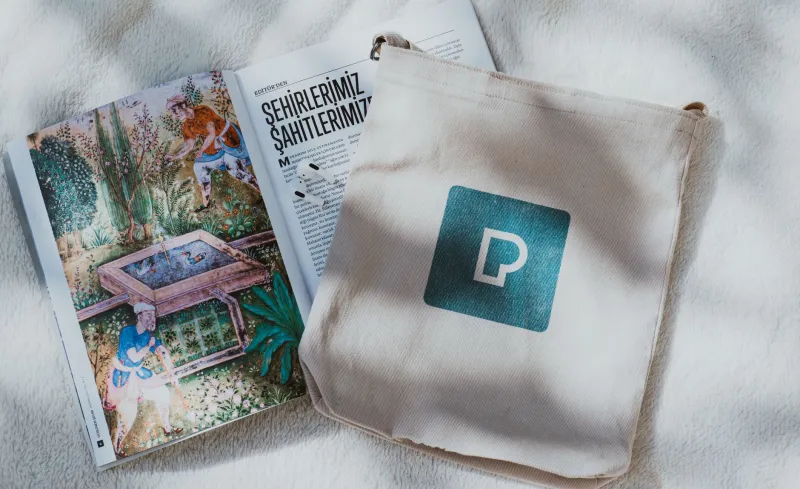
A tasting is a listening exercise. You are there to smell, sip, think and maybe spit. Your bag should support that, which usually means something with a shoulder strap or a handle you can hook over a chair, a zip that stays shut, and a flat bottom that lets it sit on the floor without tipping over. A tote is fine. A small crossbody is fine. A giant rucksack is fine only if you enjoy apologising to the person behind you every time you turn around.
Leave the laptop at home. Leave the A4 lever-arch file of tasting notes from 2019 at home too. A slim notebook or a folded sheet of paper is enough. You are not sitting an exam; you are trying to remember whether you liked the third red more than the second.
The five things that earn their place
Most tasting kits come down to a short list. Water, crackers, a notebook, a pen, and layers. That is the spine of it. Everything else is optional, and quite a lot of it is unnecessary.
Water: the unglamorous hero
A small bottle of still water is the single most useful thing in your bag. It rinses your palate, keeps you hydrated, and gives you something to do with your hands while the person next to you delivers a ten-minute speech about terroir. Still water is usually the safer choice than sparkling at a tasting, because bubbles can make acidity feel sharper and can distract from delicate aromas. If the venue provides water, brilliant. If not, you will be very glad of your own.
Crackers and the art of not wrecking your palate
Plain crackers or a small bread roll are there to reset your mouth, not to become lunch. Avoid heavily salted, strongly flavoured or aggressively seeded snacks unless you actively want every wine to taste like a herb cracker. A few neutral bites between flights can help you pace yourself, especially if the tasting runs through several whites, reds and something sweet at the end. Keep them wrapped and quiet. Nobody wants to hear a crisp packet open during the producer’s closing remarks.
A notebook you will actually use
A tasting note does not need to be an essay. A beer-mat-sized scribble is plenty: the wine, the grape if you know it, one thing you smelled, one thing you tasted, and whether you would buy it again. If you are at a walk-around tasting with twenty pours, write the number of the stand or the name of the producer first, before the details blur. A pen that works is more important than a beautiful pen. A pencil is quieter and does not leak, which is a small mercy in a warm room.
Layers, because UK rooms are a gamble
Autumn and winter tastings in the UK can take place in a chilly cellar, a village hall with radiators doing their best, or a wine bar back room that reaches greenhouse temperatures by 3pm. Wear layers you can remove without causing a scene. A jumper over a shirt is easier to manage than a heavy coat you have to drape over the back of a chair. Scarves are useful; perfume and aftershave are not. Strong scent is the fastest way to ruin a room full of delicate aromas, so save it for dinner.
Why spitting is normal
Spitting is not an insult to the wine. It is how professionals and sensible enthusiasts taste across a long list without falling over. At a tasting, the spittoon — or the discreet plastic cup on the table — is there for exactly that reason. You do not have to spit every drop, but you should feel free to do it without apology. The etiquette is simple: be discreet, aim well, do not make a performance of it, and if there is no spittoon, ask where one is or use your own cup quietly.
The bigger point is pacing. A tasting is not a race. Take small pours, give yourself water between wines, and use the crackers. If you feel your palate tiring, stop swallowing and start spitting. Nobody is keeping score, and the person who leaves still able to taste the last wine is the one who has done it right.
What to leave at home
Leave the large camera bag if it makes you clumsy. Leave the strong mints and the coffee flask — both will flatten delicate flavours. Leave your own bottle unless the invitation explicitly says bring one. Leave the printed research dossier; a few notes are fine, but a ring binder can make the table feel like a committee meeting. And leave the urge to announce every flaw you detect. Tasting is sociable. A little humility goes further than a loud score out of twenty.
Most of all, leave the idea that you need special equipment to belong. You do not. A clean glass, a curious nose and a willingness to learn are the real kit.
The screenshot checklist
- Small bag with a shoulder strap or chair-hook handle
- Still water in a sealed bottle
- Plain crackers or a small bread roll, wrapped
- Slim notebook and a working pen
- Layers you can remove
- Tissues or a small napkin
- Invitation or ticket, if there is one
- Phone on silent, not on the table
That is it. Pack that and you are ready for a tasting in a cold cellar, a warm wine bar or a hotel function room with a carpet that has seen better decades. The small bag theory is not about being underprepared. It is about being prepared for the right thing: a good, sociable, clear-headed afternoon of wine.