The Table Is the Point: Why Bring-a-Bottle Nights Deserve a Monthly Slot
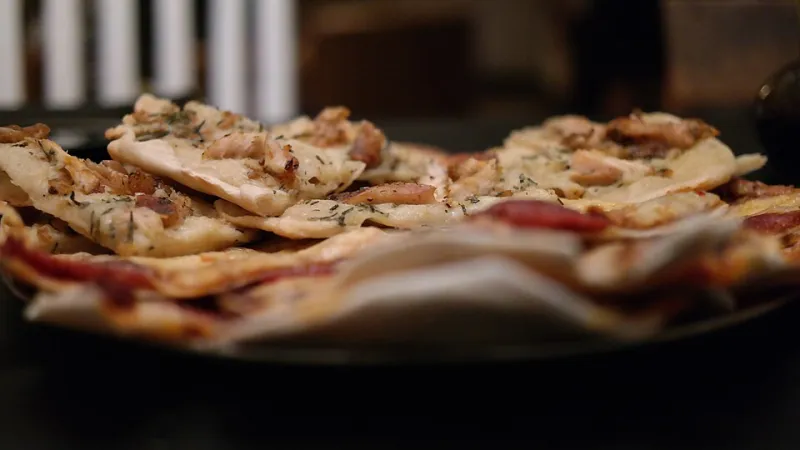
Photo: Ara Nashera, CC BY-SA 4.0, via Wikimedia Commons
Somewhere along the way, wine nights became a production. There is a tasting mat, a score sheet, a person at the front with a microphone and a room full of people trying to look as if they can taste blackcurrant leaf. It can be great fun. But it is not the only way to spend an evening with wine, and it is rarely the most sociable.
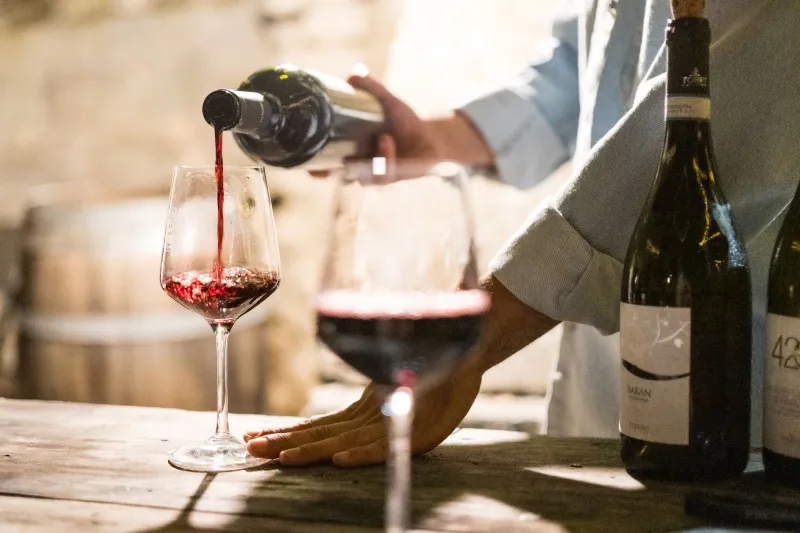
The best wine nights are often smaller, slower and cheaper. They happen around a shared table, with one bottle each, a bit of bread and cheese and a loose theme. That is the case for the monthly community wine table: a regular, low-key bring-a-bottle night run by a shop or bar, designed to turn customers into a room full of friends.
Why the shared table wins
A community table is not late, loud or expensive. It starts at a sensible time and finishes when the last glass is shared. People arrive alone or in pairs. Nobody needs to know how to taste. By the end, they know someone’s name, a grape they had never heard of and where they can buy the bottle they liked.
That is the whole point. A wine bar or shop is already a room full of interesting bottles. A monthly table gives people a reason to open them together, rather than staring at a shelf and guessing. It also gives regulars a reason to come back on a quiet night, and gives newcomers a gentle way in.
How a shop or bar can run it
Pick a recurring slot and stick to it: first Tuesday, last Thursday, second Sunday afternoon. Monthly is often enough. Weekly can become a chore; quarterly can be forgotten. Keep the group small, somewhere between eight and fourteen people, so everyone can hear and the table still feels like a conversation rather than a seminar.
Set a simple bottle rule. Each guest brings one bottle in the theme, roughly £10 to £20, and either contributes a snack or pays a small food charge. The venue provides glasses, water, spittoons, a corkscrew and a few printed prompts. If the shop is not licensed for on-site consumption, partner with a licensed bar or use a temporary event notice. Keep it legal, keep it simple and keep the alcohol sensible. A community table should feel hospitable, not boozy.
Ticket it lightly. A small deposit or a £5 ticket covers the admin and stops no-shows. Do not over-cater. Bread, butter, cheese, olives, crisps and a big pot of something warming will do. The wine is the event; the food is there to keep people going.
Theme ideas that get people talking
One grape, two places: everyone brings the same grape from a different country. Under £15: a brilliant equaliser that shows how far a modest budget can go. The odd bottle: something from the back of the shelf, a fortified wine, an orange wine or a grape nobody can pronounce. Fizz, not fuss: any sparkling wine, from crémant to cava to a pét-nat. British Isles: a bottle made in the UK or Ireland, however rare. Fortified and festive: sherry, port, madeira and a plate of nuts in December.
Themes should be prompts, not homework. If someone turns up with a bottle that does not quite fit, welcome it. The best conversations often start with a cheerful rule break.
Tasting-note prompts that do not scare people
Forget the score sheet. Give each person three prompts: three words for the smell, first sip in plain English and would you buy it again. Add a fourth if the room is lively: what would you eat with it? That is enough. You do not need forest floor unless you actually smell forest floor.
Ask people to say what they like rather than what they think they should like. A wine can be described as ‘lemonade for adults’ or ‘like a rainy afternoon’ and still be useful. The point is to give everyone a way in, not to turn the table into an exam.
Pairing rules for a sociable table
Keep the food low-effort and high-return. One snack per bottle, not a full menu. Ask guests to bring something that fits their wine: a bag of crisps for bubbles, a wedge of comté for a white with a bit of texture, a handful of olives for anything saline, a chocolate brownie for a sweet wine. If the venue provides food, charge a small amount and keep it simple.
The rule is not to match everything perfectly. The rule is to keep people at the table. A slightly odd pairing that makes everyone laugh is more useful than a flawless one that stops the conversation.
The social rules
No corkage ego. No scoring out of 100. No one person holding court for twenty minutes. Bring a bottle you like and a story about why. Pass to the left. Share the last glass. Ask the quiet person what they think. Leave with a new friend and a note of something to buy next time.
A monthly community table will not suit every bar or shop. But for those with a few tables, a good corkscrew and a bit of patience, it is one of the best things a wine business can do. It turns a list of bottles into a room full of people. And that is the point.