The Bottle Price, Decoded: A Wine Bar Economics Primer
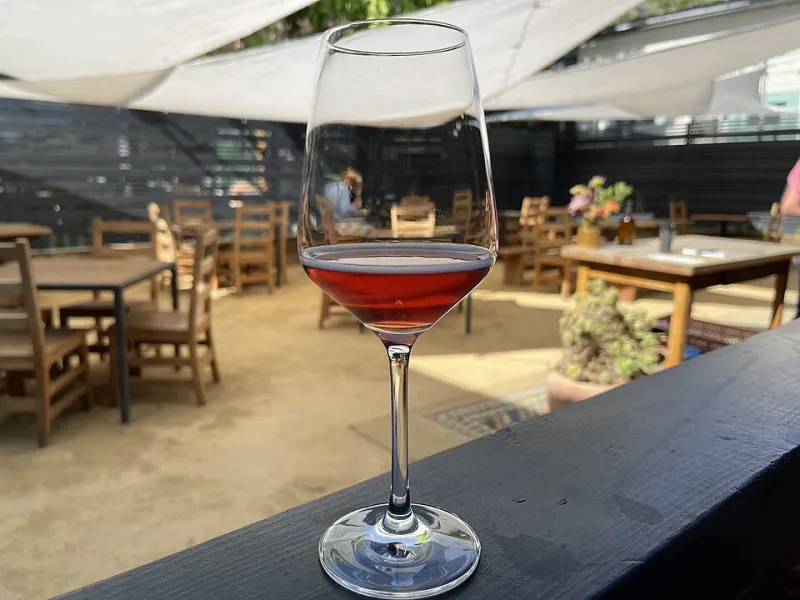
Photo: Missvain, CC BY 4.0, via Wikimedia Commons
Ordering a bottle in a wine bar can feel like a small act of faith. You point at a name, the bottle arrives, and a number appears on the bill. That number is not an accident, and it is not simply the shop price with a cheeky bit added on. It is a small economic ecosystem in glass: duty, VAT, rent, wages, glassware, waste and a margin that keeps the lights on and the ice bucket full.
This is not a moan about markups. Wine bars are businesses, and good ones are worth paying for. But understanding what sits behind the price makes it easier to spot fair value, to see why the same bottle costs different amounts in different rooms, and to order with a bit more confidence.
First, the taxman takes his share
Before a bottle even reaches the bar, it has attracted duty. In the UK, alcohol duty is charged by strength, so a 14% ABV red carries more duty than an 11% white. Then there is VAT at 20% on the sale. Neither of these is a wine bar invention; they are part of the cost stack. When you see a bottle at £36, a chunk of that is tax, not profit. It is worth remembering when comparing a wine bar price with a supermarket price: the supermarket is also paying duty and VAT, but it is working at a very different scale and with a very different cost base.
The room you are sitting in
Rent and business rates are the quiet giants of wine bar maths. A site in central London can cost several times more per square foot than one in Leeds or Bristol. That difference has to come from somewhere, and it usually comes from the price of everything on the list, from the olives to the Chablis. You are not just paying for the wine; you are paying for the chair, the lighting, the loo, the licence and the fact that someone has made the room pleasant enough that you want to stay for a second glass.
People, glassware and the cost of a proper pour
A wine bar is a people business. Staff need training, and good staff need paying properly. Someone has to taste the list, choose the bottles, write the notes and explain what dry but fruity means to a table of six. Then there is the kit: decent glassware, a glasswasher that actually works, decanters, ice, water, corkscrews, and the breakages that come with all of it. A single good wine glass can cost more than a bottle of house wine. When you order a bottle, you are also paying for the fact that it will arrive at the right temperature in the right glass, opened by someone who knows what they are doing.
Waste, open bottles and the by-the-glass gamble
By-the-glass lists are brilliant for customers, but they are a commercial risk for the bar. Every open bottle has a clock on it. Some wines hold for days; others fade by the second evening. Bars use preservation systems, inert gas, Coravin-style gadgets and careful stock rotation, but waste still happens. That cost is baked into the glass price and, indirectly, into the bottle price. It is one reason a glass of wine can look expensive next to a bottle: you are paying for choice, freshness and the bar's willingness to open something you might not commit to.
The margin that keeps the lights on
Wine bars typically work on a gross margin that would make a supermarket blush. That is not greed; it is survival. A bar might pay £10 for a bottle and sell it for £30 or £35. Out of that difference come rent, wages, tax, glassware, waste and all the other costs we have just listed. The margin is what turns a lovely idea into a business that can pay its staff and open again tomorrow. When you understand that, a £32 bottle of something delicious starts to look less like a rip-off and more like a fair deal.
How to spot genuine value
A few rules of thumb help. Compare the bottle price with the retail price if you know it: a wine bar markup of roughly two and a half to three and a half times retail is common, depending on the room and the wine. Look at the by-the-glass price too. A bottle holds around five or six generous glasses, so if a glass is £7 and the bottle is £38, the maths is roughly in line. House wines are often the best value on the list because they are bought in volume and priced to keep people drinking. And remember that the cheapest bottle is not always the best value; a slightly more expensive bottle that you actually want to finish is better than a bargain you abandon after one glass.
Order with your eyes open
None of this is a reason to feel guilty about ordering a bottle. It is a reason to feel informed. Ask what is open, ask what the staff are excited about, and ask whether a carafe or a glass might suit the table better. A good wine bar wants you to enjoy the bottle, not just pay for it. Once you see the price as a sum of real things — tax, rent, people, glassware, waste and a margin that keeps the door open — it becomes easier to relax, choose well and enjoy the room you are in.