No Cellar, No Problem: Keeping Wine Alive in a Rented Flat
Renting in the UK often means living with a radiator that clicks like a metronome, a window that turns the kitchen into a greenhouse, and a washing machine that walks across the floor during a spin cycle. It does not mean you cannot keep wine. It means you have to be honest about what you are keeping, for how long, and why. A cellar is lovely. A stable cupboard is nearly as good for the next six weeks.
The enemy is the swing, not the room
Wine is tougher than the old rules suggest. It dislikes rapid temperature changes, direct sunlight, vibration and dryness more than it dislikes a steady 19°C. A bottle left by a radiator will suffer more in a fortnight than one kept in a dark cupboard for three months. So stop worrying about the ideal temperature and start worrying about the worst corner of your flat.
The worst corner is usually the one next to the boiler, above the oven, on a south-facing windowsill or on top of the fridge. The best corner is the darkest, coolest, least dramatic spot you have: the bottom of a wardrobe, the floor of a cupboard, under the bed, or the back of a storage box. Light matters more than people think, especially for clear glass bottles. Noise and vibration matter too, but mostly for long-term keeping. A bottle rattling next to a speaker for a week is not ruined; a bottle shaking on top of a washing machine for a year is not happy.
Drink it or move it
The renter's decision is simple: if you cannot give a bottle a cool, dark, quiet home for at least a month, buy it to drink. That is not a failure. Most wine is made to be drunk young. A £10–£20 bottle from a supermarket or independent merchant is usually ready now, and holding it for two years in a warm flat will not turn it into something better. It will turn it into a slightly tired version of itself.
Try a two-shelf system. The 'drink now' shelf is for bottles you plan to open within a fortnight. The 'leave alone' box is for anything you want to keep for a month or two. If you share a flat, label both. A piece of masking tape with your name and the date is not obsessive; it is the difference between a hobby and a passive-aggressive note on the fridge.
Cheap fixes that actually work
- Find the coolest corner. Use a thermometer. A £5 digital thermometer will tell you more than any wine gadget. If the corner swings from 14°C to 24°C in a day, it is not a storage corner.
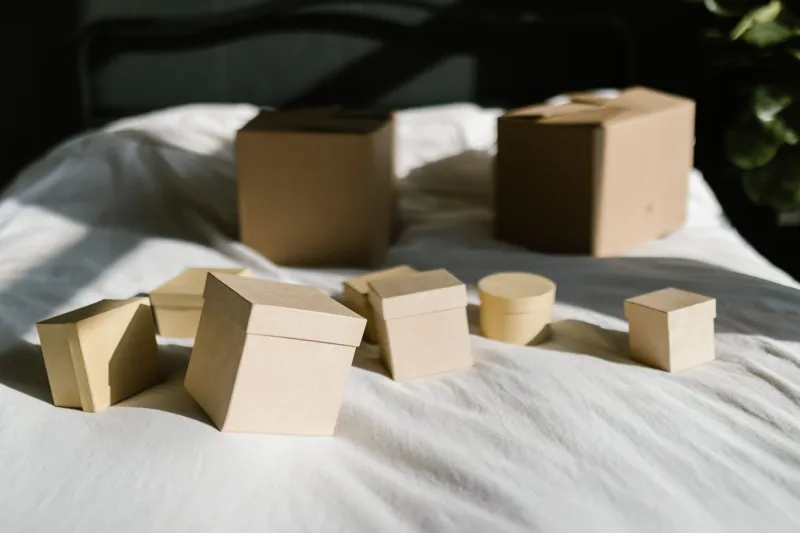
- Use a cardboard box. Wine likes dark and still. A sturdy box under the bed is unglamorous and effective. Keep bottles upright if they have screwcaps; lie them down if they have corks and you are keeping them for months.
- Stay away from the kitchen. Unless your kitchen is genuinely cool and dark, it is the worst room in the flat. The same goes for the airing cupboard and the shelf above the radiator.
- Wrap special bottles. Bubble wrap or a tea towel gives a little insulation against quick swings. It also stops bottles clinking when you move the box.
- Use the fridge carefully. A fridge is fine for a few days or a few weeks, especially for whites and light reds. It is not a long-term cellar: it is cold, dry and vibrating. Do not leave a cork-sealed red in there for six months and expect a miracle.
- Get a lockable crate if you share. It is not about distrust. It is about clarity. A crate with a padlock, or even a labelled box on a high shelf, prevents the classic flatmate incident: 'I thought it was communal.'
- Keep bottles away from windows. Sunlight and UV light are not kind to wine. A dark cupboard beats a pretty windowsill every time.
Bottles that reward short-term keeping
Most wines do not need keeping. But some settle nicely over a few weeks or months, and those are the ones worth giving your best corner to. Young, structured reds often benefit from a little quiet: Bierzo Mencía, young Rioja, Syrah from the northern Rhône, Portuguese reds from the Douro. Crisp whites with screwcaps, such as Muscadet, Picpoul or a good South African Chenin Blanc, will hold well for a month or two if they are kept cool and dark.
Light, fruity reds are the opposite. Beaujolais, Frappato and most inexpensive Pinot Noir are not improved by waiting. Drink them while they are bright. Sparkling wine is also better treated as a drink-now pleasure unless you have proper storage; a warm flat will flatten the fizz and make the wine taste older than it is.
A useful rule: if the bottle costs less than £15 and is sealed with a screwcap, it is probably ready. If it is a young, tannic red with a cork, it may reward a few months in the dark. If it is a delicate older bottle, do not buy it for a flat without a plan. Drink it soon, or let someone with a cellar have it.
The shared-flat reality check
Building a collection in a shared flat is a lovely idea until someone hosts a birthday party and your best bottle becomes a mixer. Be realistic. Buy a rotation, not a collection. Keep six bottles you actually like, not twelve you are saving for a vague future. If you want to keep more, look into professional wine storage or a local merchant's cellar plan; it is often cheaper than replacing a cooked bottle.
And do not let storage perfectionism stop you enjoying wine. A bottle in a cupboard is not a failure because it is not in a cellar. It is just wine in a cupboard. Keep it dark, keep it still, keep it away from the radiator, and drink it before it becomes furniture.
A starter shelf for six bottles
One crisp white for a Friday. One textural white for something with a bit more sauce. One light red for pizza and a film. One fuller red for a Sunday roast. One sparkling bottle for an actual occasion. One oddity you are curious about. That is a small collection with a purpose, and it will fit under a bed, in a wardrobe or in a sturdy crate. The best storage solution in a rented flat is not a wine fridge. It is buying less, buying better, and drinking what you have.