Cinnamon Isn’t a Cover-Up: The Case for Mulled Wine Done Properly
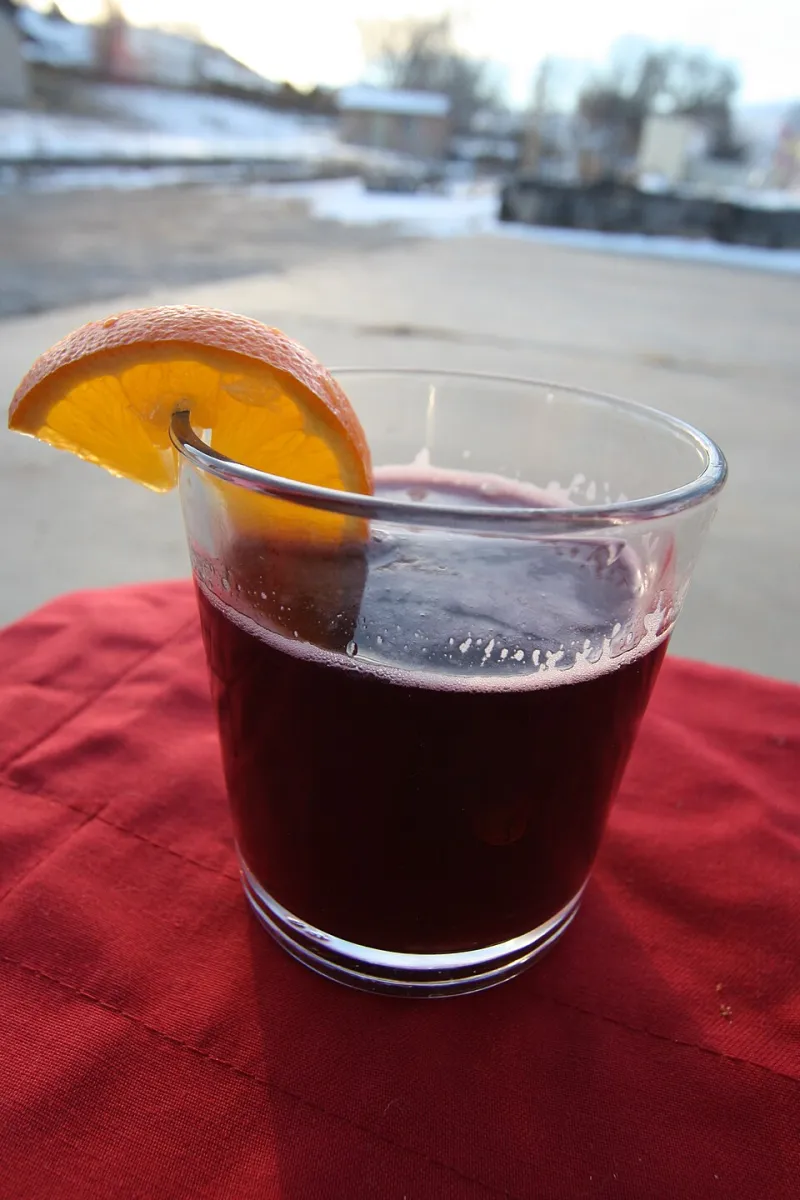
Photo: Wheeler Cowperthwaite, CC BY 2.0, via Wikimedia Commons
There is a moment at every Christmas market when the paper cup comes towards you and the steam hits your face. The first sip will either be a small, warming pleasure or a reminder that cinnamon can be weaponised. Mulled wine has a reputation problem, and it is not entirely unfair. Too much of it tastes like a candle that has been told about fruit. But the annual argument about whether mulled wine counts as wine misses the point. It counts when the wine still has a say. The trick is knowing the threshold—the point where spice flatters the bottle instead of burying it.
The bottle you start with matters
A bad mulled wine usually begins with a bad bottle and a heavy hand. If the base is thin, sharp or thoroughly anonymous, the spices have to do all the work. Use something juicy and balanced and you need less sugar, less clove, less everything. The threshold is not really a price point; it is a style. Look for reds with generous fruit, moderate tannin and fresh acidity: Grenache-led blends, Tempranillo, Barbera, Zweigelt, a simple Côtes du Rhône. A young Syrah can work if you like a darker, peppery edge. Save the delicate Pinot Noir and the expensive Burgundy for the table. Around £8–£12 is the sweet spot in the UK. Under a fiver tends to taste like the pan is doing penance; £20+ is a waste of nuance. If you would happily drink a glass of it on its own, it belongs in the pan. If not, no amount of star anise will save it.
Spice like seasoning, not potpourri
Think of spices as you would salt: enough to lift, not enough to announce. For a bottle of red, start with one cinnamon stick, three or four cloves, one star anise, a strip of orange peel and a little sugar. Add a bay leaf if you have one, a few black peppercorns, maybe a cardamom pod. That is plenty. Mulled wine turns to potpourri when the clove count climbs and the mix sits on the heat for an hour. Gentle heat is the whole game: warm to around 70°C, keep it there, and taste every ten minutes. Never let it boil. You will lose the alcohol and the fruit and gain a stewed, flat cup. If you want to make it ahead, infuse the spices in a little syrup, strain, and add that to warm wine at the last minute. You get control, and the wine stays fresher.
For a 750ml bottle, try one cinnamon stick, four cloves, one star anise, a pared strip of orange peel and two tablespoons of demerara sugar. Warm gently for twenty minutes, taste, and adjust. A squeeze of lemon or a splash of orange juice can wake up a flabby pan. A spoonful of brandy is optional but not compulsory. What you do not need is mixed spice, a handful of cloves and a cinnamon stick the size of a fence post. Restraint reads as confidence.
When to order it in a bar
Order mulled wine in a bar when the bar treats it as wine, not as a seasonal shortcut. A good sign: it is made in small batches, smells of fruit and citrus rather than potpourri, and someone can tell you what is in it. Ask. If the answer is a shrug and a sticky urn that has been sighing since lunchtime, choose a glass of Gamay or Pinot Blanc and enjoy the cold walk home. On a Christmas market stall, watch how it is kept. Fresh steam and visible fruit peel are promising; a dark, syrupy cauldron that tastes of sugar and clove is not.
And yes, there is a time for a chilled glass. If you are eating rich food, if the room is hot, if the company is better than the spice, a clean white or light red will do more for the evening. Mulled wine is a mood, not a duty. The best bar lists offer both: something warm and generous for the walk home, something bright and chilled for the table. You are allowed to switch.
The home threshold
At home, make it in small batches. Half a bottle is enough for two or three glasses, and it avoids the sad ritual of reheating the same pan for three days. Use a heavy pan, low heat and a thermometer if you have one. Serve in sturdy glasses with a strip of orange peel, not a cinnamon stick the size of a fence post. If you have leftovers, reduce them with a little red wine vinegar and use as a glaze for sausages or roast roots; do not re-boil them for guests.
The threshold, then, is not a number on a bottle or a precise gram of spice. It is the moment when the wine stops being a base and starts being a background. Good mulled wine is wine with a scarf on. Bad mulled wine is a candle in a mug. This December, get the bottle right, season with restraint and heat it gently. Then mulled wine can take its place at the table—or at the bar—without apology.